
Tattoos have been a form of self-expression for years, all around the globe. Tattoo lovers like to flaunt their ink proudly whenever possible, and there is a rise in people getting tattoos. In the same way, tattoo removal has also increased due to various reasons like professional limitations, personal preferences, a change in taste, or a tattoo not inked as per your imagination.
What Is Tattoo Removal?
Temporary tattoos are easy to remove, but permanent tattoos can be a challenging process. The process of removing the permanent ink is known as tattoo removal. There are many different ways of removing your tattoo, like laser removal, tattoo removal cream, surgical excision, dermabrasion and chemical peels. The most popularly used is laser tattoo removal.
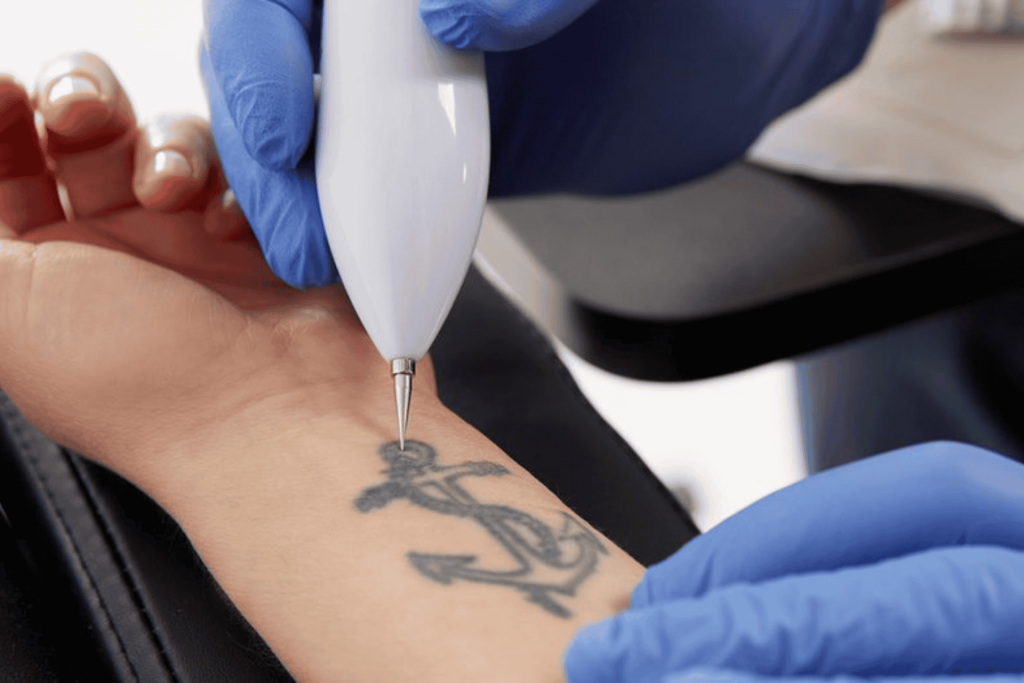
Image source- Winter Park Tattoo Removal
How Does Tattoo Removal Work?
Laser tattoo removal and tattoo removal creams’ main aim is to break the ink into smaller particles, which are easy for our body to remove. Chemical peels, surgical excision, and dermabrasion remove the inked layer of skin.
Types Of Tattoo Removal-
Tattoo Removal Creams
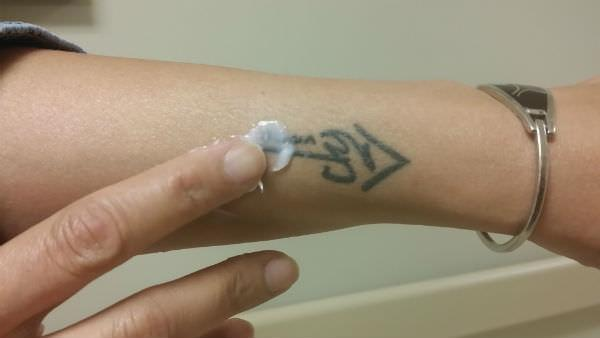
Image source- OpenPR
Tattoo removal creams are readily available, but they take months to fade the ink and are less successful than other tattoo removal methods. Most of the creams have acids, which can be irritating. You have to apply the cream to the tattoo you want to erase, and it may take months of regular use to show the desired results.
Laser Tattoo Removal
Laser Tattoo Removal is the most popular, effective, and least painful way of removing your tattoo. In this procedure, the practitioner focuses high-intensity light on the skin to break down the ink into small particles that the immune system can remove more easily. It can take more than one session to remove the tattoo, depending on the size and colours.
Surgical Excision
Surgical excision involves cutting the skin that has the tattoo. Local anaesthetic numbs the area before the skin is cut by a scalpel, and after cutting the tattoo, the edges are stitched back. This procedure only works for small tattoos and can’t be used for larger tattoos.
Dermabrasion
Dermabrasion removes tattoos by using a high-speed tool to take off the upper layer of skin that contains ink. The tool scrapes away the top layer, but this method should be used only for small and medium tattoos. The process can be painful and leave an open wound, which may take some days to heal.
Chemical Peels
Chemicals like trichloroacetic acid are used to remove the tattoo from your skin in this process. As soon as the chemical is applied to the skin, the outer layer of the skin starts peeling. This procedure is less painful, more effective, and the skin heals faster compared to other procedures.
Possible Side Effects And Remedies
Scabs, swelling, and redness may be seen after laser tattoo removal. You must avoid direct sunlight exposure for weeks after laser treatment, and most importantly, picking up the scabs and scratching must be avoided. Avoid activities that lead to sitting for a few days, and use an antibacterial cream only when recommended.
Dermabrasion may lead to some change in skin colour; it may also cause skin to break, leading to acne, and there is a rare possibility of infection. Always wear sunscreen while going out in sunlight, and the affected area must be cleaned with a mild soap and water at least once a day. Using antibacterial cream or ointment is a must after dermabrasion to avoid any issues.
Chemical peeling can lead to some mild pain or burning sensation for the first few days, and a mild moisturiser must be applied to the affected area to maintain the moisture. Mostly all the issues last for nearly a week, and the skin will be healed. Consult an expert if you have any other issues after treatment, like scabs and blisters.
You must take proper care after any tattoo removal method. Seek expert advice if you experience a skin issue or infection that you cannot manage. Creams with harsh chemicals, messages or rubbing the affected skin must be avoided.
Image source- Húðfegrun
FAQs
How to remove temporary tattoos?
Temporary tattoos can be easily removed by using baby oil, coconut oil, olive oil, make-up remover or even nail polish remover. Apply any of the mentioned products to the tattoo and leave it for a minute or two. Then rub with a cotton cloth or cotton until the temporary tattoo comes off.
How much does tattoo removal cost?
The cost of tattoo removal depends on the size and colours of your tattoo. Complete removal of the tattoo may need multiple sessions, and the complexity of the tattoo also plays a key role in the cost.
If you’ve searched for “tattoo removal near me”, you will find all the relevant information in the blog post above. Conduct thorough research before choosing a tattoo removal method that suits your needs. Tattoo removal can be safe when performed by an expert, and proper aftercare can make the procedure smoother and more comfortable.
Also read, Tattoo Reactions and Infection: Signs To Watch For And What To Do.