
Environment-friendly, sustainable, and, eco-friendly are the most popular terms used in the fashion industry. In the last 10 years, there has been a steady growth in sustainable fashion, which is growing very fast now.
What is sustainable or eco-friendly fashion?
Over the last few years, there has been a huge growth in the fashion industry due to a surge in demand for clothes. People are buying new clothes very often, and you can find many small or big boutiques in every corner of your city. High street malls and online shopping have made shopping a habit for many people.
More production of clothes with techniques that are not good for the environment leads to wastage of natural resources and pollutes the air, water, and land. Even labour is exploited in many countries in production, and fast fashion has led to an increase in throwaway culture as well.
Sustainable fashion reduces the impact on the environment and solves all the problems created by fast fashion. It can be more costly than fast fashion, but the long-term result will be great for the buyer and maker. The buyers play a key role in sustainable fashion; they should be ready to pay more or stop buying from brands that don’t care at all about the environment.
Examples of sustainable fashion
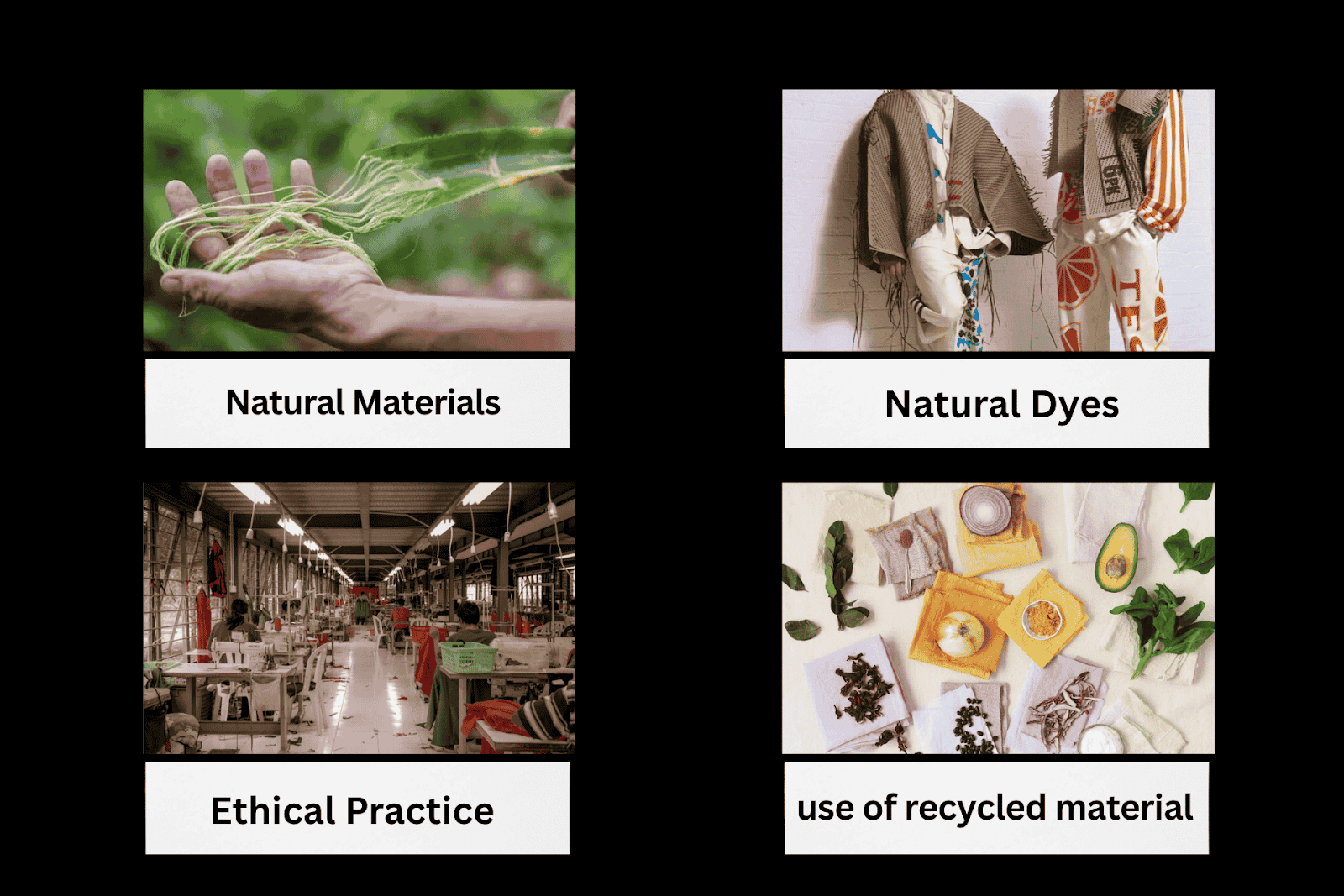
Natural and Organic Materials:
Sustainable fashion is made from organic materials like linen and cotton, which are made without harmful chemicals and pesticides. Wool can be used in sustainable clothing, which can be biodegradable and renewable, like linen.
Ethical Practice:
Workers in some countries are exploited with low pay, more working hours, and poor working conditions. Sustainable fashion ensures that workers are getting paid fairly and are working in healthy conditions. Ethical practices also ensure that no individual or animal is hurt during the manufacturing process.
Natural Dyes:
Natural dyes, which are extracted from flowers, plants, and other natural sources, are used in the sustainable industry. Synthetic colors and dyes are harmful to humans and nature. White natural dyes are biodegradable and non-toxic.
Slow Fashion:
Slow fashion is the opposite of fast fashion, in which quality is given preference over quantity in production. This process will reduce new buying and help save the environment. The quality of sustainable fashion is generally good, and it can be used for an extended period. Sharing and renting also help in reducing new buying.
Use of Recycled Material:
Using recycled wool or recycled plastic to manufacture clothes can save a lot of natural resources used in manufacturing clothes. It’s a very important aspect of sustainable fashion, as the material used ultimately ends up in waste yards, causing a lot of problems for the environment.
Upcycling:
Upcycling is the next step of sustainable fashion, and it’s different from recycling. Upscaling is using anything that is not in use or unwanted, like old clothes, old curtains, or even fabric scraps, to make new and fashionable clothing. Upcycling reduces textile waste, which is a huge plus, and the end product is always out of this world.
Maintenance of Existing Clothes:
A lot of clothes are just wasted or thrown away due to fast fashion. Sustainable fashion is all about maintaining and repairing old clothes and not disposing of them. Repairing old clothes increases their life, and buying new clothes can be avoided.
Why is sustainable fashion crucial for all?
Clothing is the second largest polluting industry after oil; it uses trillions of liters of water yearly and produces 10 percent of the total carbon emissions. Millions of tonnes of waste are either buried or burnt, including leftover or discarded clothing. Chemicals used in the colouring process can be harmful to both the user and the environment. Rivers in India, China, and Bangladesh are badly polluted because contaminated water from the clothing industry is being dumped into them.
As a result, we all need to work on sustainable fashion, as the Earth is facing the worst global climate issues. Sustainable fashion addresses numerous issues, including climate change, encourages buyers to consider the environment, and benefits workers in the fashion industry by improving their lives.