
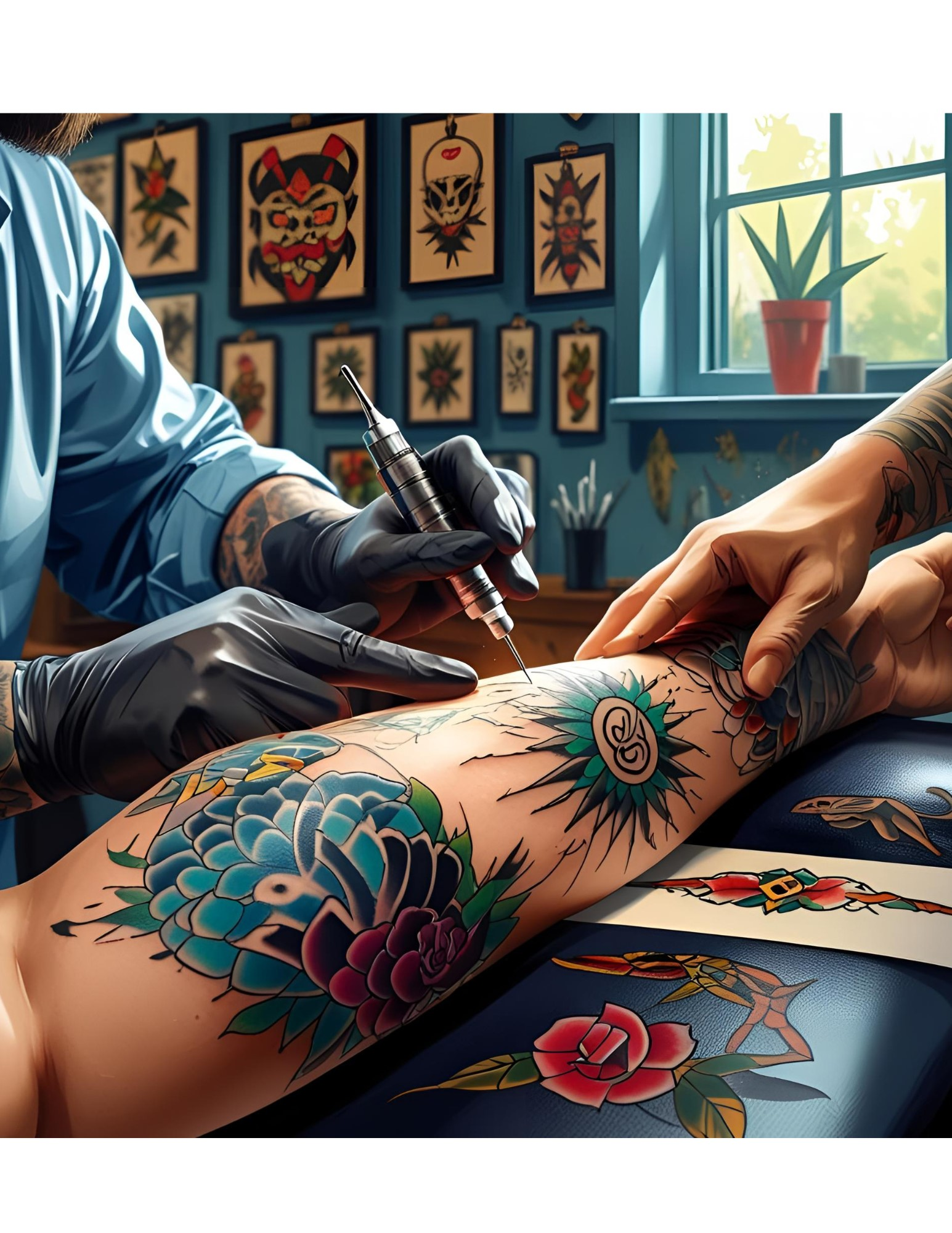
Image created using Canva
Getting a tattoo is always exciting, whether it’s for the first time or just another additional tattoo on your body. With that said, getting yourself inked needs to be done with care and hygiene. But it’s common to have some minor inflammation. Tattoo reactions and infections can be skipped by having a tattoo at a reliable parlour and routine aftercare.
Understand The Process Of Tattoo Healing
It’s important to know about the stages of tattoo healing which are mentioned below.
- The first phase stays from the first to the third day after getting inked and the ink may look sore, red, or swollen, kinda like a fresh wound but this is totally normal as the tattoo is in its early stage.
- The second phase is from the fourth to the seventh day and you may feel itching and a bit of peeling and the tattoo will start forming scabs.
- The third phase is from the seventh to the fourteenth day. In which scabs start to fall off and the inner surface of skin begins healing which makes the tattoo dull.
- The fourth stage stays from the 15th to the 30th day. During which itching and other issues begin reducing as the ink begins to settle.
If your tattoo sticks to the above structure then you need not panic. However, if the above pattern is not working for you, then you should probably get checked for infections and reactions.
Symptoms of Tattoo Infection and Reaction
If you are getting your tattoo from a reputed and licensed tattoo shop, you may get some redness, mild pain, or swelling. New tattoos typically heal within a few weeks, but a few individuals may get an infection that needs treatment. The most common symptoms are increased pain, fever, increased swelling, itching, increased redness, bumps in the tattoo area, chills, and sweats.
Types of Infections and Reactions
Tattoo infections and reactions are mostly caused by the use of unsterilized tattoo equipment, the use of contaminated water, or pre-existing skin issues. The use of dirty tattoo equipment can lead to serious illnesses like Hepatitis or HIV. It is always suggested to have tetanus and hepatitis vaccines. Ink is put into your skin when you’re getting a tattoo and your body is not used to such materials. Ink components, viruses and bacteria surge the risk of infections and reactions.
Do’s and Dont’s While Going For A Tattoo
You should always keep yourself hydrated from the day before your appointment for getting inked. Sport loose and light-coloured clothing, keep your mind relaxed and never be in a hurry as it may take longer than you had expected. Take your reference image along with you and avoid hard drinks the day before your appointment. And always cross-check your tattoo parlour online so that you get to know the reviews. If most of the reviews are positive, then go for the parlour. I know it seems like extra effort, but all the minute things can save you from tattoo infections and reactions.
A reputed and experienced tattoo artist is equally important for a good tattoo. They’ll always keep their tools tidy and sterilized and will go with proper guidelines before starting the process. The most important thing before starting the procedure is to clean the body part that is going to get inked. You need to always remember that the most common period to get an infection is during the healing time. A new tattoo needs to be taken care of.
How to treat the infection?
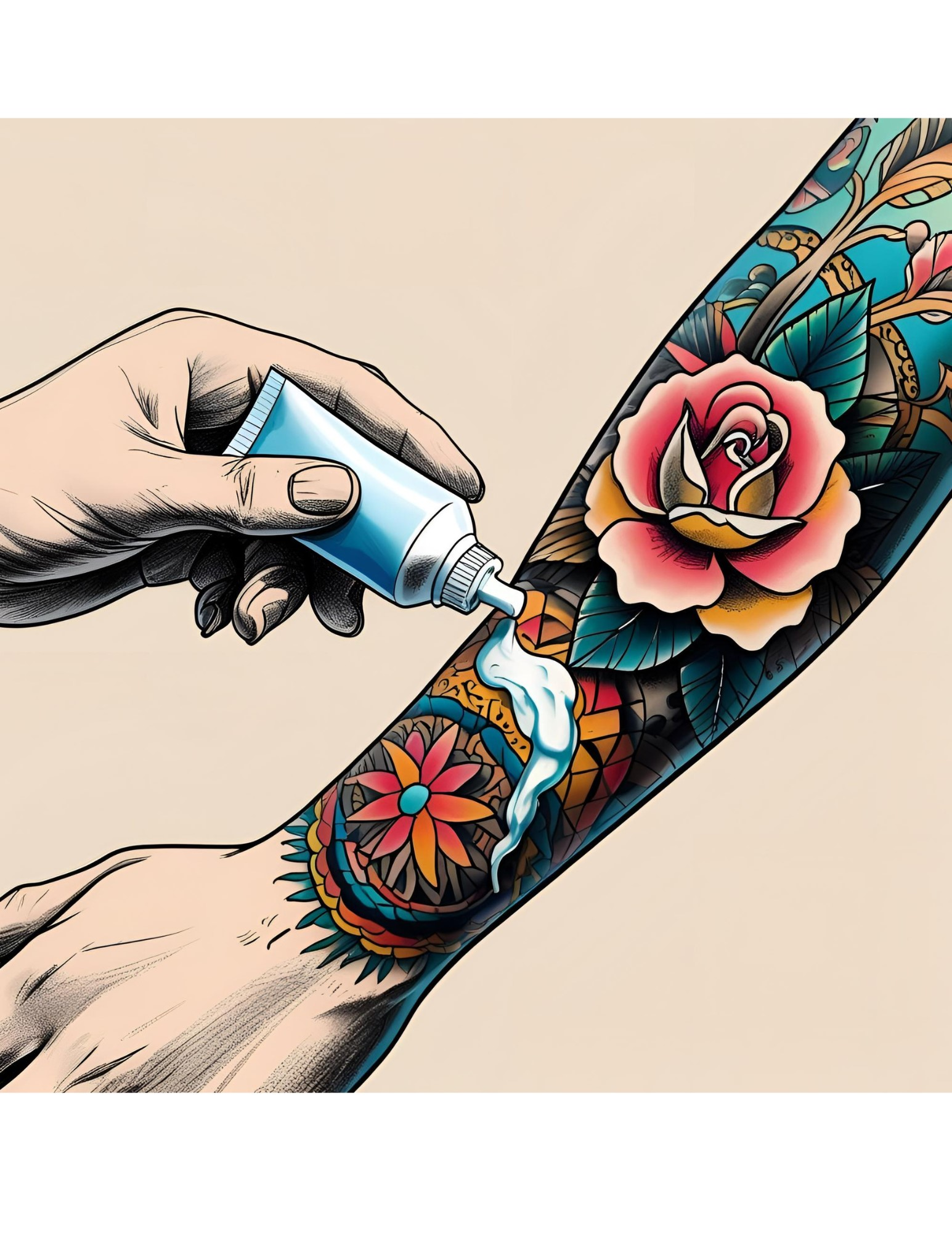
Image generated using Canva
Try over the counter medicines if your tattoo is infected. Scent free creams avoid the skin from drying. Always wash the skin which is infected with water and soap. Never utilize harsh soaps or cream which may cause further damage then prevention.
Never panic, as any infection or reaction is curable if it’s treated at an early stage. You can go to a doctor or a dermatologist if the infection or reaction is bad and you can bear the pain. Tattoos look really cool but aftercare is crucial for your well being and the tattoo’s life.
Have you ever gone through with any reactions or infections after getting inked? Let us know your saga and tips in the remarks below!help prevent the affected skin from drying out. It is important to keep the infected skin clean by washing it gently with soap and water. Never use harsh creams or soaps, which are not recommended by any tattoo expert or doctor, as they will cause more damage than prevent it.
Never panic, as any infection or reaction is curable if it’s treated at an early stage. You can consult a doctor or a dermatologist if the infection or reaction is severe and you can’t bear the pain. Tattoos look really cool, but aftercare is very important for your health and the tattoo’s life.
Have you ever experienced any unexpected reactions or infections after getting a tattoo? Share your stories and tips in the comments below!